

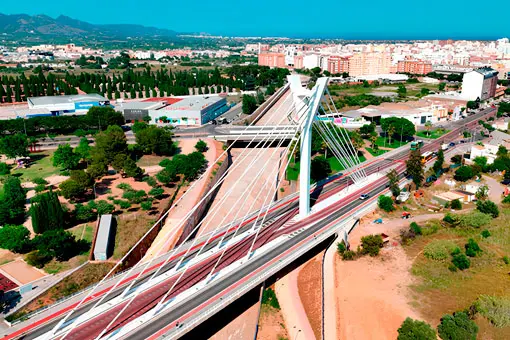
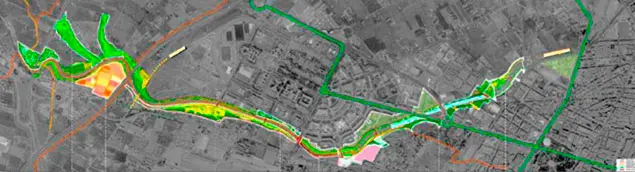
Its objective is to reconvert the bank into a green corridor of reference, integrating sustainable mobility, quality public spaces, and urban re-naturalization measures.
The intervention not only pursues environmental improvement, connection between strategic neighborhoods, configuring a transformation axis that directly influences the surrounding urban development.
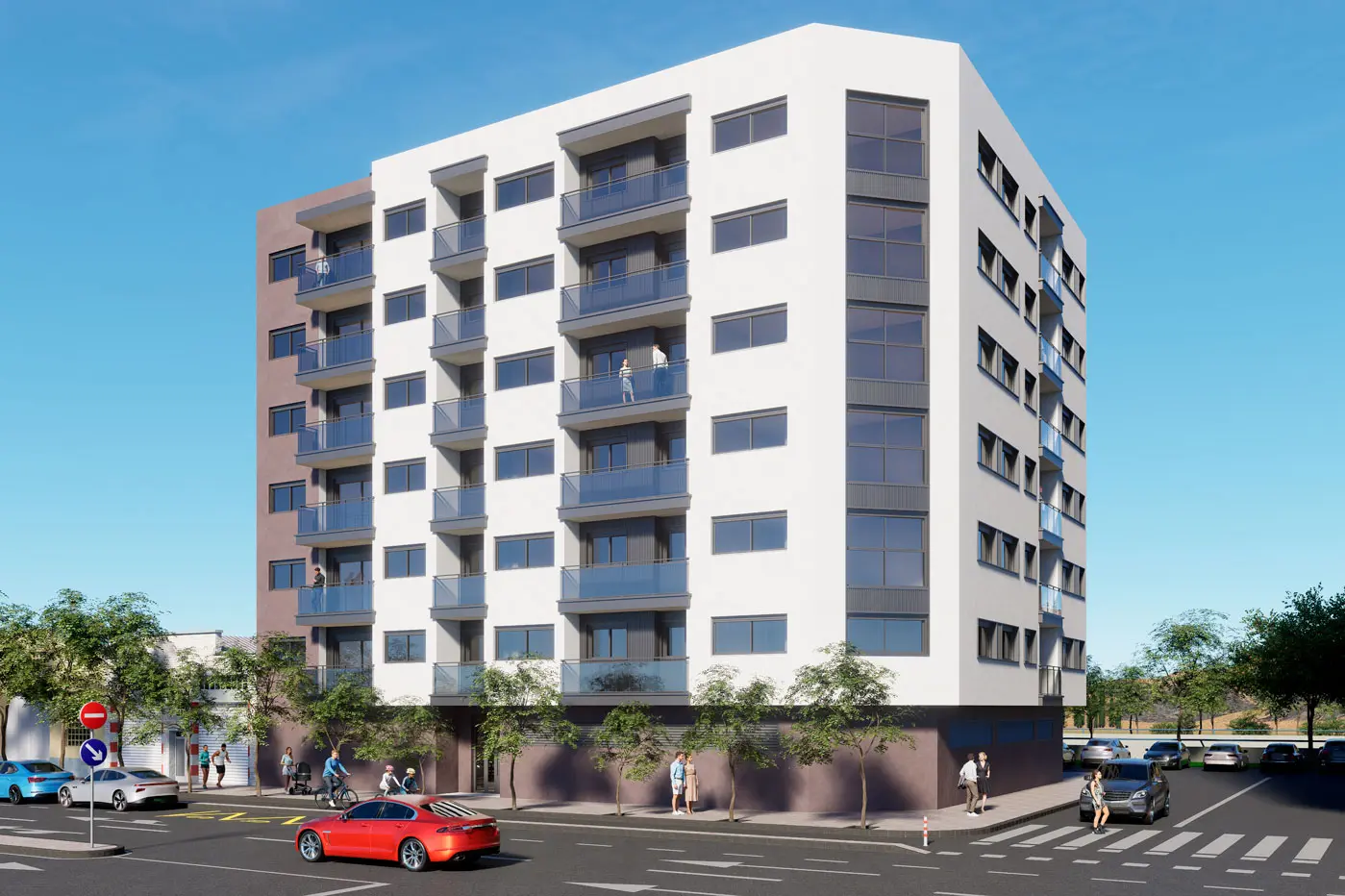
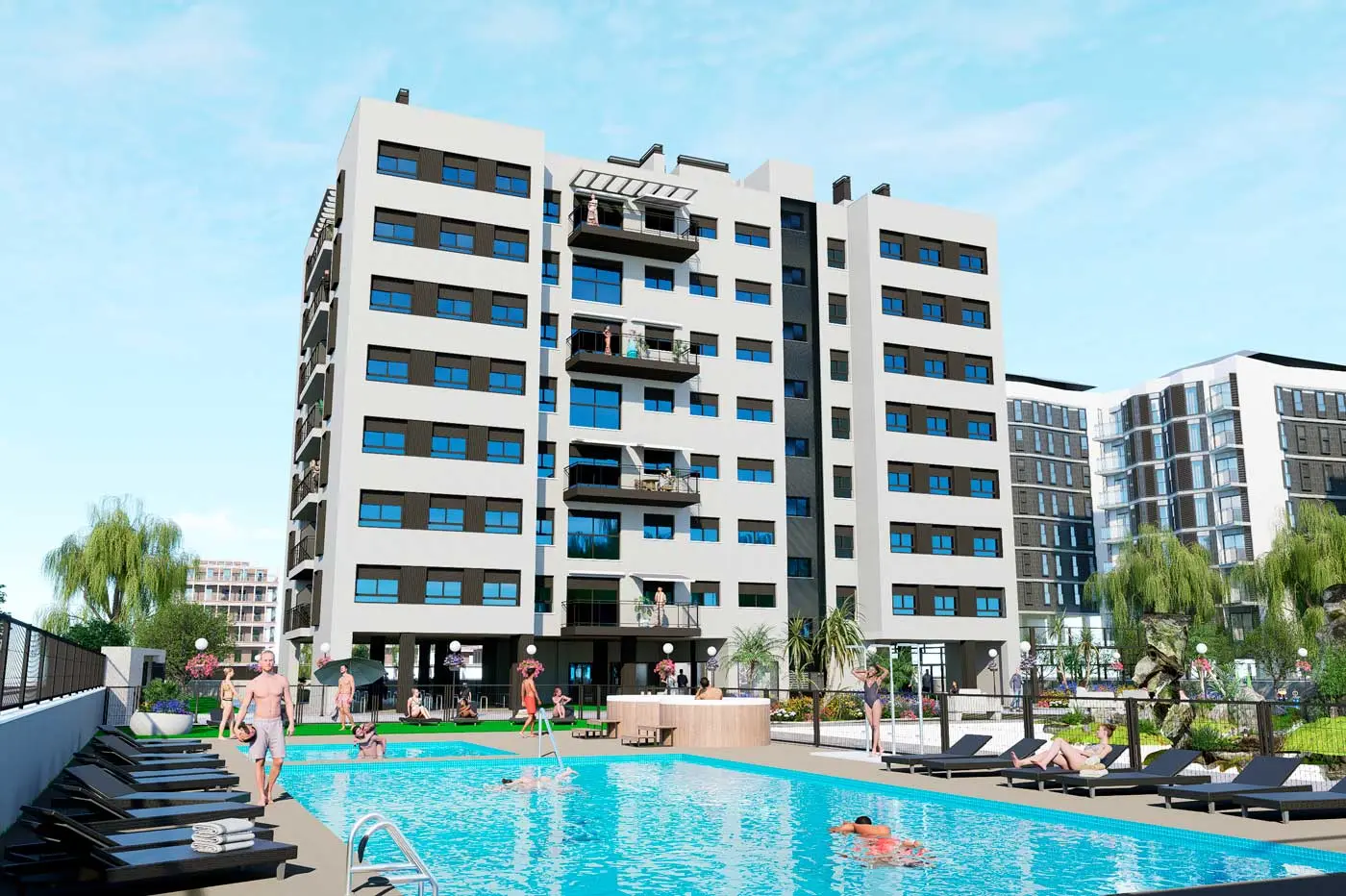
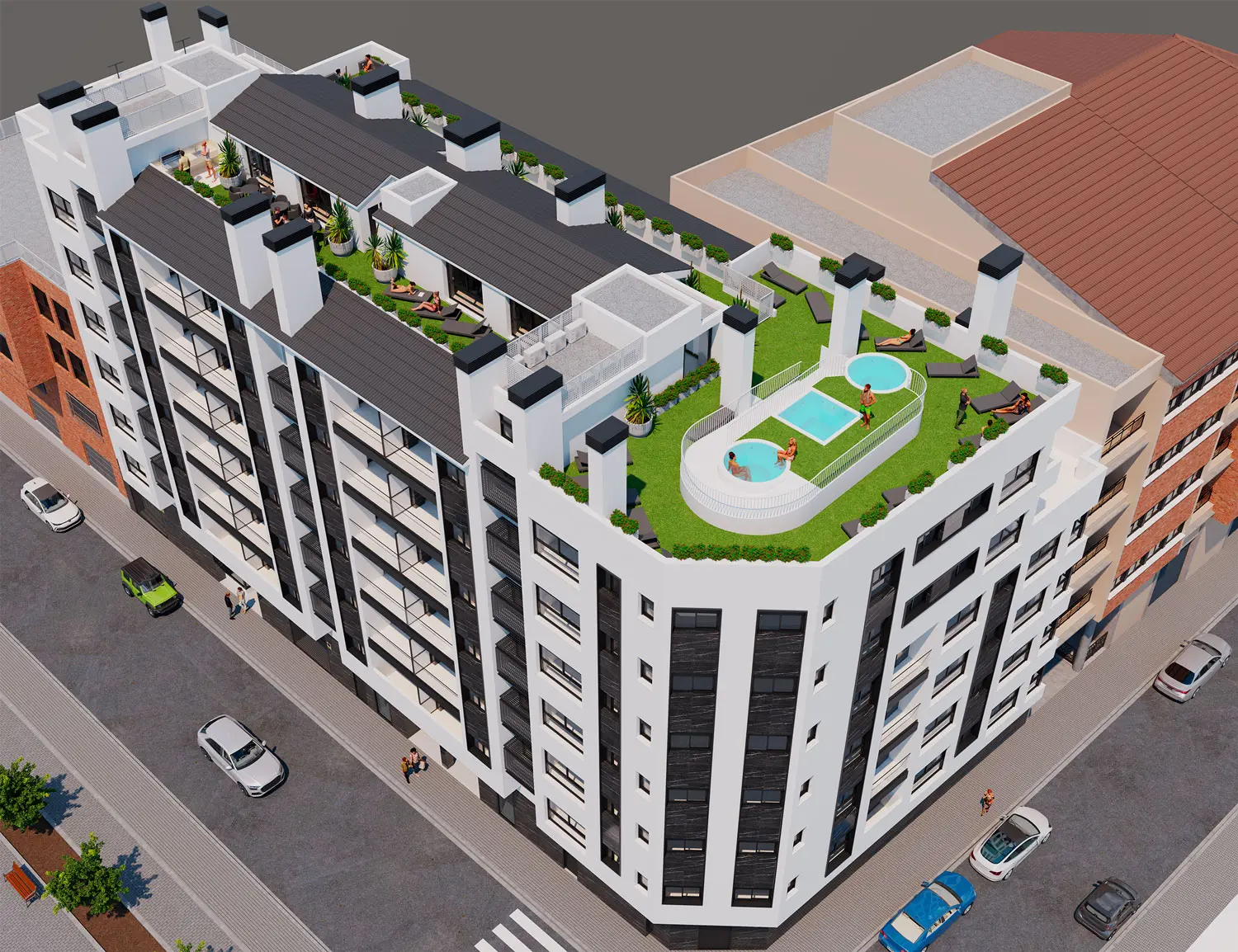
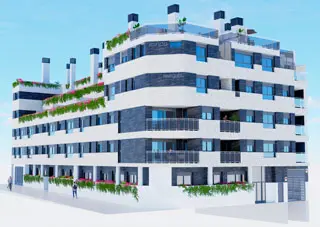
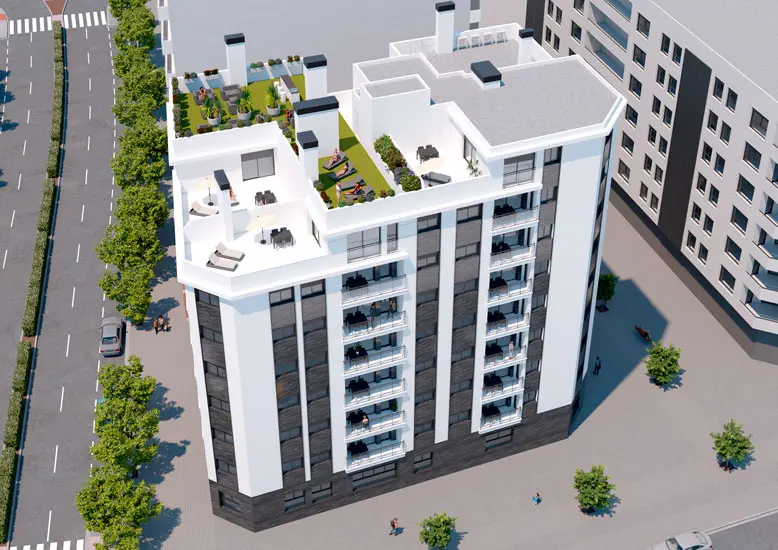
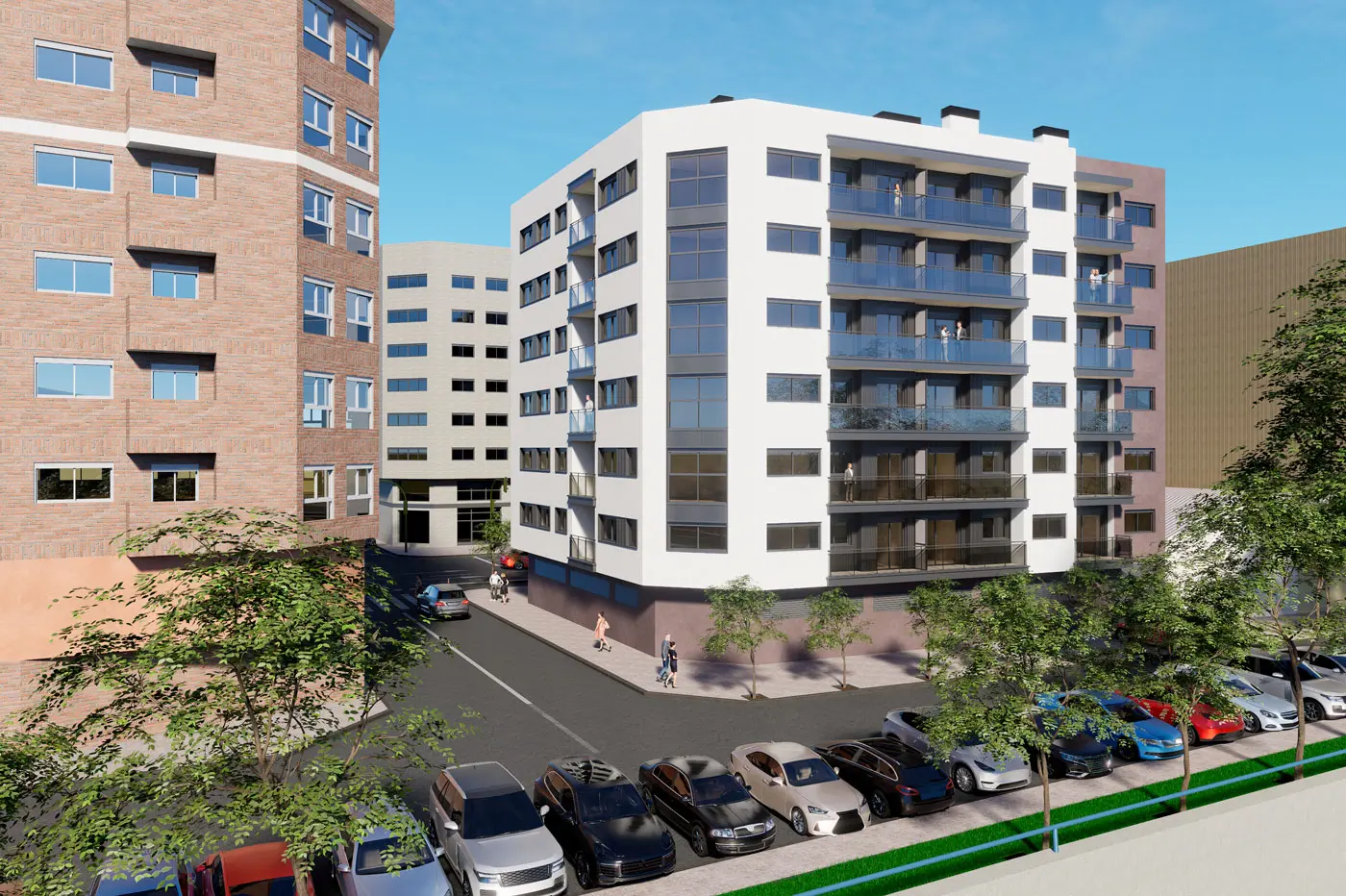
Among the developments benefited by this action is the Edificio Norte, which is located in the immediate vicinity of the corridor and is projected as a residential reference linked to a more livable, green, and connected urban model.
Institutional framework and official sources
The leadership of the project corresponds to the Castellón City Council, through the Local Government Board and the Office of Planning and Economic Projection, which assumes the technical coordination and management of the financing within the framework of the Recovery, Transformation and Resilience Plan.
The design is aligned with the General Structural Plan and the Detailed Planning Plan, guaranteeing urban compatibility and coherence with environmental regulations.
The execution was awarded to the UTE integrated by Becsa and Vivers Centre Verd, in charge of the urbanization and quality control, while the Júcar Hydrographic Confederation (CHJ) complements the action with preventive interventions in the channel to minimize flood risks.
The process is based on technical reports, impact studies and explanatory reports, and has been subjected to public scrutiny through contracting platforms, ensuring transparency and traceability in each phase.
Objectives of the transformation project
The intervention is based on three strategic axes.
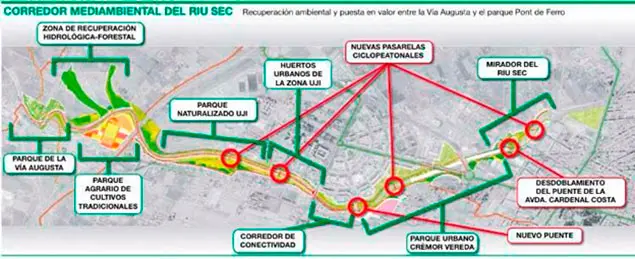
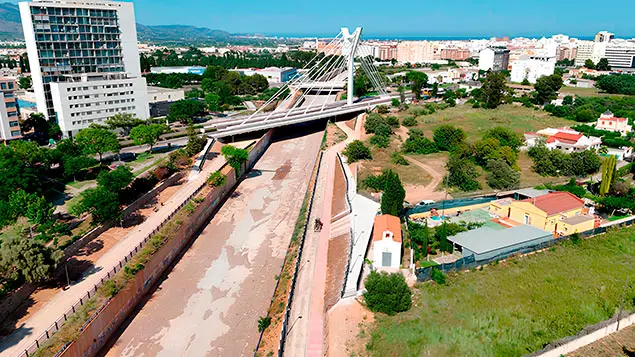
From the urban point of view, the aim is to create a green corridor that connects neighborhoods of Castellón de la Plana historically disconnected by means of safe pedestrian and cyclist itineraries, with the incorporation of an emblematic footbridge that crosses the channel.
Socially, the project promotes territorial cohesion and equitable access to free spaces, providing recreational, sports and leisure areas. In addition, land is reserved for future educational facilities in the Crèmor neighborhood, which reinforces the integrating nature of the action.

In the environmental field, the intervention applies re-naturalization criteria, introducing native trees, intelligent irrigation systems and efficient lighting to reduce the energy footprint and optimize water management.
Process and technical characteristics of the works
The first phase was executed in fifteen months and concluded with the opening to the public of the initial section on July 10, 2025. It comprises 1.4 kilometers between the San José cemetery and the Europa bridge, with an investment of 3,815,676.96 euros, financed 60% by European funds.
The main actions include the creation of 24,000 square meters of green areas, the implementation of cycle-pedestrian itineraries, the construction of a 42-meter metal footbridge with wooden decking, the installation of more than one hundred LED luminaires and street furniture, and the provision of an automated irrigation system to guarantee the sustainability of the green areas.
Likewise, a pumping station has been incorporated for the efficient management of rainwater and singular spaces such as the surroundings of the hermitage of Sant Joanet del Riu have been conditioned.
The design combines criteria of universal accessibility, durability and maintenance with landscape integration, reinforcing the hydraulic safety and functionality of the whole.
In a complementary way, the CHJ has executed channel cleaning operations in 2024 and 2025, with an accumulated investment of more than 280,000 euros, to increase the evacuation capacity and prevent episodes of flooding in situations of torrential rains.
Environmental impact and re-naturalization
The project covers an area of more than 29,000 square meters, including margins and riverbank areas, and has allowed the planting of 200 trees and 2,200 native shrubs.
These measures increase the vegetation cover and enhance local biodiversity, while helping to mitigate the heat island effect and improve urban environmental quality.
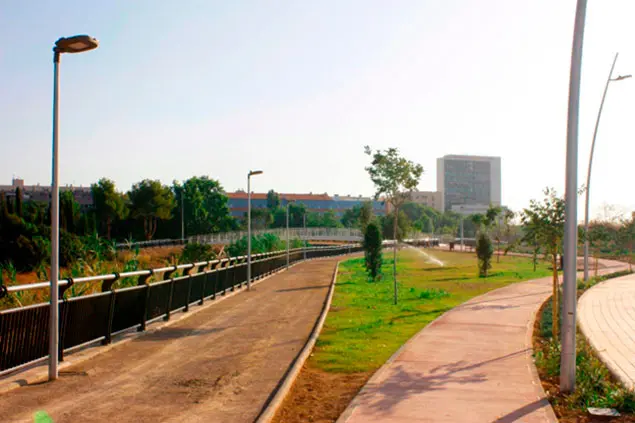
The automated irrigation system, combined with LED luminaires, reduces energy consumption and optimizes the use of water resources.
The landscape recovery, added to the creation of viewpoints and rest areas, consolidates the bank as a high-quality public space, designed for citizen use and compatible with environmental protection.
Social and urban impact
The intervention in the bank of the Riu Sec generates significant benefits in terms of connectivity, accessibility and social cohesion. The new cycle-pedestrian footbridge between Crèmor and Raval Universitari resolves a historical discontinuity and facilitates active mobility, promoting sustainable travel.
The recreation areas and pedestrian itineraries expand the offer of quality public spaces, improving the well-being of residents and visitors.
In this context, the location of the Edificio Norte, close to the area of action, acquires a strategic value.
The direct connection with the green corridor places this development in a privileged position for those seeking urban environments with environmental quality, accessibility and proximity to facilities.
The synergy between green infrastructure and residential development reinforces the attractiveness of the Edificio Norte, which will benefit from the landscape integration, the improvement of mobility and the creation of collective spaces that favor life in community.
Future and planned extensions
The intervention is part of a long-term strategy that contemplates the extension of the corridor to more than four kilometers, with a global investment estimated at 20 million euros.
Future phases prioritize the connection with strategic infrastructures such as the intermodal station and the incorporation of new sections of bike lane, urban parks and social facilities.
The Castelló 2030 Urban Agenda recognizes this bank as a backbone for active mobility and re-naturalization, configuring a more resilient and people-oriented city model.
For the Edificio Norte, these actions will consolidate its environment as one of the sectors with greater projection in terms of habitability and urban sustainability.
Conclusions and professional assessment
The transformation of the bank of the Riu Sec represents a paradigmatic change in the urban planning of Castellón, combining environmental regeneration, connectivity and quality of life.
The first phase demonstrates that the integration of green infrastructures in the urban fabric brings tangible benefits in mobility, landscape and social cohesion, with a governance based on inter-institutional collaboration and the efficient attraction of European funds.
For residential developments such as the Edificio Norte, this project represents an unquestionable added value, by consolidating a functional, healthy and sustainable urban environment.
The future challenge lies in guaranteeing the continuity of the planned phases, maintaining ecological coherence and consolidating indicators that evaluate its performance in social, environmental and economic terms.
If achieved, the bank of the Riu Sec will become a benchmark of green infrastructure in Mediterranean contexts, with the Edificio Norte as one of the clearest examples of successful integration between urban planning and contemporary residential development.
Sources:
– https://www.elperiodicomediterraneo.com/opinion/2024/12/17/encauzamiento-riu-sec-112673586.html