


Interior design trends are constantly evolving, and 2025 promises to mark a revolution in styles, materials, and aesthetic concepts.
From the rise of warm colors to the integration of technology in the home, trends point to spaces that combine functionality, sustainability, and well-being.
If you want your home to be at the forefront, these are the keys that will set the course for interior design in 2025.
Trending colors in design for 2025
From warm minimalism to vibrant tones
Design trends in 2025 will mark a significant change in the color palette of interior design. While minimalism will continue to be present, it will be reinvented with more welcoming and vibrant tones that bring character and personality to spaces.
This evolution seeks to create warmer, more relaxing environments with a strong emotional connection.
Warm, earthy tones: The basis of design in 2025
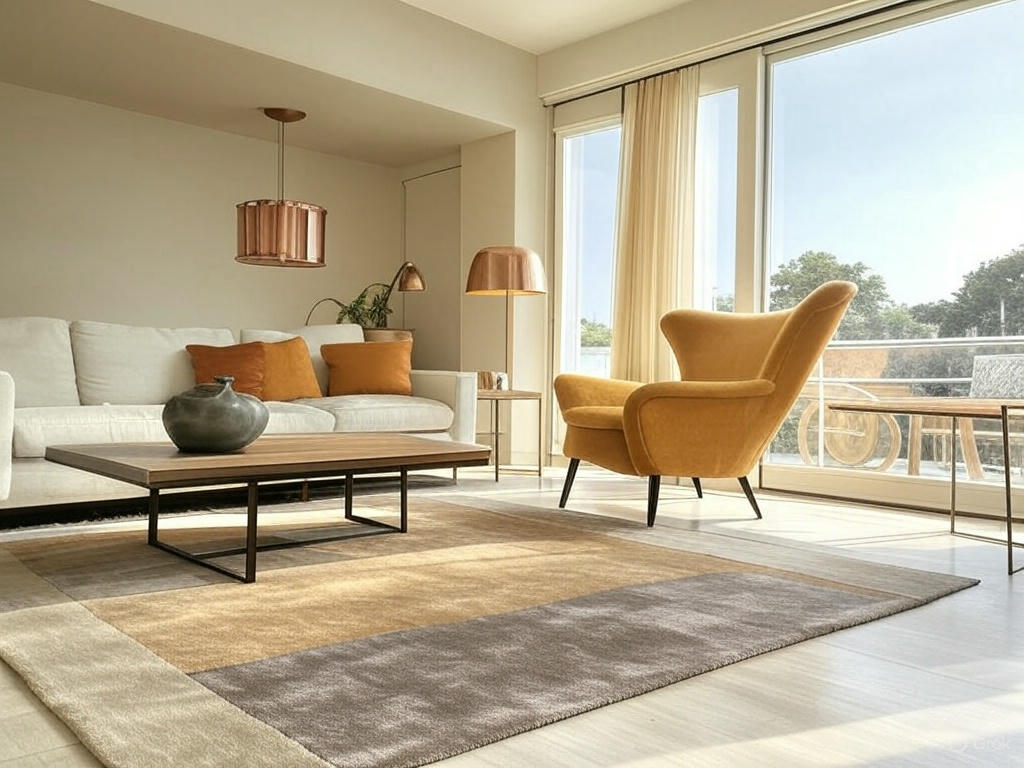
Warm colors will take center stage next year, setting design trends. Shades such as beige, sand, terracotta, and soft brown will become the starting point for creating serene and enveloping spaces.
Why choose warm tones?
- They create relaxing environments that are ideal for living rooms, bedrooms, or relaxation areas.
- They combine perfectly with natural materials such as wood, stone, or wicker, reinforcing the feeling of warmth.
- Their versatility allows them to be integrated into walls, furniture, and textiles.
Ideas for incorporating warm tones:
- Walls in beige or sand tones to create a neutral base that makes it easy to combine with more vividly colored decorative elements.
- Light wood or terracotta-colored furniture to add a touch of color without losing sobriety.
- Light brown and beige cushions, blankets, or rugs to provide visual comfort in minimalist environments.
Vibrant colors: Touches of energy in design
In contrast to neutral bases, design trends in 2025 will also bring an explosion of vibrant tones in decorative elements and furniture.
Colors such as olive green, petrol blue, and mustard yellow are positioned as favorites for adding dynamism and personality to spaces.
How can you incorporate vibrant tones without overloading the environment?
- Use these colors in decorative accessories such as cushions, curtains, or vases to create focal points.
- Choose a petrol blue sofa as the centerpiece in a neutral-toned living room.
- Add mustard or olive green chairs to the dining room to give it a contemporary feel.
The key is to balance these intense colors with softer elements so as not to overwhelm the space.
Recommended color palettes for 2025 that will set design trends.
If you want to achieve harmonious combinations in your home, these color palettes will set the trend:
- Warm neutrals + Terracotta + Mustard → Ideal for cozy and modern environments.
- Beige + Olive Green + Teal → Perfect for contemporary living rooms with a touch of freshness.
- Off-white + Brown + Copper or Bronze Details → An excellent choice for an elegant and sophisticated style.
Color according to each space
Each room in the home has specific color requirements. Here are some recommendations to get the most out of the trending shades:
- Living room: Use a base in beige or sand tones and complement with petrol blue or olive green furniture to create an elegant and modern atmosphere.
- Bedroom: Choose warm tones such as terracotta or soft brown to enhance the feeling of rest and comfort.
- Kitchen: Light wood combinations with mustard or copper accents add a vibrant touch without losing harmony.
- Bathroom: Neutral tones combined with green accents bring freshness and modernity.
The power of color in home psychology
It's not just about aesthetics; colors have a direct impact on our emotions and well-being.
In 2025, the strategic use of color will focus on creating environments that promote calm, creativity, and connection with nature.
- Warm, earthy tones → Create a feeling of security and warmth.
- Deep greens and blues → Bring freshness, calm, and balance.
- Vibrant tones such as mustard or orange → Inject energy and vitality into the home.
Interior design trends for 2025, natural and sustainable materials: The return to organic
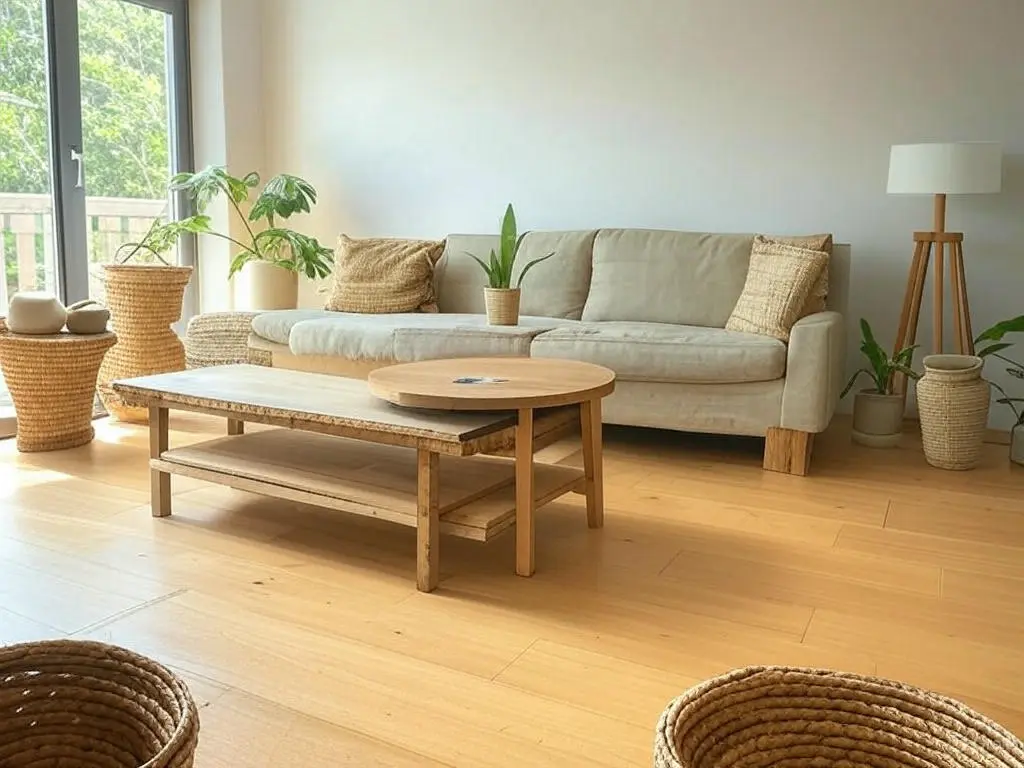
2025 will bring design trends with a strong return to natural materials, driven by the growing trend toward sustainability and the desire to create warm and welcoming environments.
Wood, stone, wicker, and organic textiles will take center stage in modern spaces, providing a natural and elegant aesthetic.
In addition to their aesthetic value, these materials contribute to a healthier home, thanks to their ecological properties and low emission of toxic compounds.
Wood: The star material of 2025
Wood will be one of the major protagonists of interior design trends in 2025.
Its versatility and ability to provide warmth make it an essential resource for creating cozy and balanced environments.
Types of wood that are trending in design:
- Light, natural wood (such as oak, ash, or pine) → Ideal for minimalist and Nordic spaces.
- Dark wood (such as walnut or wenge) → Perfect for sophisticated environments with character.
- Recycled wood → Will stand out especially in handcrafted furniture, providing a rustic and sustainable aesthetic.
Ideas for incorporating wood into your home:
- Natural wood floors to add warmth to rooms such as the living room or bedroom.
- Solid wood furniture that provides strength and durability.
- Wood wall coverings to create warm and enveloping environments.
Tip: Choosing wood certified by the FSC (Forest Stewardship Council) seal guarantees that it comes from sustainably managed forests.
Natural stone: Elegance and durability
Stone is making a strong comeback across the range of interior design trends for 2025, especially in its more rustic and textured form.
Marble, granite, travertine, and slate will be the stars of floors, countertops, and decorative elements.
Advantages of natural stone:
- High resistance and durability.
- Adds freshness and sophistication.
- Ideal for rooms such as kitchens and bathrooms thanks to its easy maintenance.
Ways to integrate stone into your home:
- Marble or granite countertops in modern kitchens for an elegant finish.
- Exposed stone walls in living rooms or hallways for a sophisticated rustic touch.
- Stone lamps, plant pots, or decorative elements to introduce this material in a subtle way.
Natural fibers: Lightness and freshness
Wicker, rattan, jute, and bamboo will be key elements in 2025 décor.
These fibers add texture and lightness, as well as being sustainable and biodegradable options.
Advantages of natural fibers:
- They are light, versatile, and easy to integrate into any style.
- They add a handmade and organic touch.
- They promote sustainability thanks to their low environmental impact.
Ideas for incorporating natural fibers:
- Wicker or rattan lamps that create warm atmospheres with soft lighting.
- Jute rugs that add texture and define spaces.
- Natural fiber baskets for aesthetic storage and organization.
Eco-friendly textiles: Comfort and sustainability
In 2025, textile design trends will focus on organic fibers such as cotton, linen, and wool.
These materials are not only pleasant to the touch, but also improve air quality by not releasing harmful chemicals.
Advantages of eco-friendly textiles:
- They are hypoallergenic and skin-friendly.
- They allow for better breathability in enclosed spaces.
- They provide soft, warm textures that invite relaxation.
How to use them at home:
- Linen curtains to add lightness and let in natural light.
- Organic cotton bedding to improve sleep quality.
- Merino wool blankets for warm and cozy décor.
Ceramics and clay: A renewed tradition
Ceramics and clay, two materials with centuries of history, will make a strong comeback in design trends in 2025 thanks to their ability to bring authenticity and unique textures.
Advantages of ceramics and clay:
- Their manufacture usually requires little energy, which reduces their environmental impact.
- They are highly resistant and versatile.
- Their handcrafted finish adds character and originality to spaces.
Ideas for incorporating ceramics and clay:
- Handcrafted ceramic tableware for a sophisticated and eco-friendly table.
- Clay pots that add a rustic touch to gardens or interiors.
- Ceramic tiles in bathrooms or kitchens with textured finishes.
Recycled glass: Light and sustainability in harmony
Recycled glass is positioned as a key option that will set design trends in 2025, adding brightness to spaces without compromising sustainability.
Advantages of recycled glass:
- It allows for the creation of unique and personalized decorative elements.
- It reflects natural light, making spaces feel more spacious.
- It is an eco-friendly alternative to conventional glass.
How to integrate recycled glass:
- Hanging lamps made from hand-blown glass.
- Coffee tables with recycled glass tops that add a modern touch.
- Decorative elements such as vases or jars for subtle but striking touches.
7. Sustainable metals: Details with personality
Recycled metal and aged finishes will be major trends in design in 2025.
Copper, brass, and wrought iron tones will add character to spaces.
Ways to incorporate sustainable metals:
- Aged copper lamps for an industrial touch.
- Matte brass handles and faucets add sophistication.
- Recycled steel structures for modern, sturdy furniture.
The perfect balance between aesthetics and sustainability
When analyzing design trends for 2025, we must bear in mind that interior design will not only focus on aesthetics, but also on creating spaces that promote health and respect for the environment.
Opting for natural materials not only beautifies the home, but also reduces the ecological footprint and creates healthier and more comfortable environments.
Integrating elements such as wood, stone, and natural fibers is an effective way to connect your home with the essence of nature, promoting well-being and harmony in your daily life at Edificio Luz.
Interior design trends for 2025, technology in interior design: Smart and functional homes
2025 will be the year when technology is naturally and effectively integrated into interior design trends, making homes more comfortable, efficient, and secure. The concept of the "smart home" is booming, and new trends point to a perfect combination of advanced technology and sophisticated aesthetics.
The key is that these technological solutions not only provide comfort, but also contribute to energy savings, sustainability, and improved well-being. Below, we explore the innovations that will set the trend in interior design in 2025.
Advanced home automation: Total control of the home
Home automation will be one of the cornerstones of interior design trends in 2025. Home automation systems allow you to manage different aspects of your home remotely or automatically, improving both comfort and security.
Main functions offered by home automation:
- Smart lighting: Allows you to adjust the intensity and color of the light according to the time of day or the desired atmosphere. It is also possible to program automatic switching on and off to optimize energy consumption.
- Temperature control: Smart thermostats regulate climate control efficiently, adapting to household routines and helping to reduce energy consumption.
- In the bathroom: Choose species that tolerate humidity well, such as ferns, lucky bamboo, or ribbon plants.
- Appliance management: Virtual assistants and mobile apps allow you to turn on, turn off, or program devices such as washing machines, coffee makers, or robot vacuum cleaners from anywhere.
- Security systems: Smart locks, video surveillance cameras, and motion sensors allow you to control your home from your mobile phone, providing greater security.
- Energy management: Smart homes will incorporate systems that analyze energy consumption in real time, making it easier to detect areas of high expenditure and suggesting adjustments to reduce consumption.
Practical tip: Place plants at different heights (on the floor, on tables, or hanging) to create an indoor "micro-garden" effect that adds dynamism and depth.
Natural materials: Textures that add warmth
Biophilic design favors materials such as wood, stone, wicker, and organic textiles to reinforce the feeling of closeness to nature.
Recommended materials and how to use them:
- Solid wood in furniture, floors, or shelves to create warm and welcoming environments.
- Natural stone in countertops, walls, or decorative elements to add texture and freshness.
- Natural fibers such as wicker, rattan, or jute in lamps, rugs, or baskets for a handcrafted touch.
- Eco-friendly textiles such as linen, cotton, or wool in curtains, cushions, and blankets to provide comfort.
Practical example: Imagine waking up and the blinds automatically opening, the heating adjusting to a comfortable temperature, and the coffee maker starting to brew your coffee. All this thanks to a home automation system that learns your routines and adapts to them.
Smart lighting: More than just turning lights on and off
Lighting will cease to be a simple functional element and become a key tool for creating personalized environments.
Trends in smart lighting design for 2025:
- Dimmable lights with adjustable color: These allow you to adapt the lighting to the time of day or your mood. For example, warm tones for relaxing environments and cool lights for tasks that require concentration.
- Motion sensors: These will automatically turn on the lights when they detect the presence of people, ideal for hallways, bathrooms, and closets.
- Furniture-integrated lighting: Shelves, mirrors, and closets with built-in LED lights optimize functionality and create a modern atmosphere.
- Customized scenarios: Home automation systems allow you to program specific scenes, such as "movie mode" (dim, warm lights) or "reading mode" (bright, direct lighting).
Tip: Use LED lights, as they are efficient, have greater durability, and consume less energy.
Technological furniture: Comfort and functionality
Multifunctional furniture with integrated technology will gain prominence in 2025, especially in homes seeking to optimize space without compromising on design.
Trend-setting technological furniture:
- Smart mirrors: These incorporate LED screens that display information such as the temperature, the day's schedule, or even makeup or hairstyle tutorials.
- Sofas with wireless chargers and USB ports: Allow electronic devices to be charged discreetly and conveniently.
- Beds with built-in lighting and speakers: Ideal for creating relaxing environments without the need to install additional devices.
- Coffee tables with built-in refrigerators: A modern and functional option for keeping cold drinks within reach during meetings or leisure time.
- Cabinets with light sensors: When the door is opened, an LED light turns on automatically, making it easier to see inside.
Innovative idea: In small spaces, modular furniture with integrated technology allows you to adapt the environment to your needs at any given moment.
Smart kitchens: Innovation for everyday life
The kitchen will become one of the most technologically advanced spaces thanks to the incorporation of connected appliances and automated systems.
Key elements in smart kitchens:
- Ovens and microwaves with Wi-Fi connectivity: These allow you to program cooking from your mobile phone and receive notifications when the food is ready.
- Smart faucets: Control water flow and temperature with touch sensors or voice commands, reducing waste.
- Automatic range hoods: These detect smoke or steam and activate automatically to keep the air clean.
- Smart refrigerators: These monitor food expiration dates, suggest recipes based on available ingredients, and even allow you to make shopping lists from the built-in screen.
Tip: Installing a countertop with wireless chargers or touch systems keeps the space clear and maximizes convenience.
Technological bathrooms: Relaxation and well-being
The bathroom will become a true spa thanks to the incorporation of technology designed for comfort and well-being.
Trends in smart bathroom design:
- Touchscreen anti-fog mirrors: Allow you to adjust the lighting, check the weather, or listen to music while you get ready.
- Smart toilets: These incorporate automatic cleaning systems, seat temperature control, and even aromatherapy functions.
- Digital showers: Allow you to regulate the temperature, water flow, and pressure with pinpoint accuracy.
- Integrated sound systems: Perfect for enjoying relaxing music while you bathe.
Bonus tip: Adding warm-toned LED lights around the mirror or in the shower creates a relaxing and welcoming atmosphere.
Integrated entertainment systems: Home theater
Audio and video systems will be fully integrated into the home design, offering immersive experiences without interfering with the aesthetics of the space.
Entertainment innovations that will set design trends in 2025:
- Projectors hidden in the ceiling or furniture: They deploy automatically when turned on, optimizing space.
- Invisible speakers integrated into walls or ceilings: Allow you to enjoy surround sound without visible elements.
- Screens camouflaged in furniture or mirrors: They offer the experience of a television without disrupting the aesthetics of the space.
Sustainable homes: Technology at the service of the environment
Technology applied to interior design will also play a key role in the sustainability of homes, such as those you can have in the Panorama Building.
Sustainable technological solutions:
- Smart solar panels: Optimize energy storage and consumption.
- Low-consumption faucets and showers: Incorporate automatic control systems that reduce water consumption.
- Air quality sensors: Detect polluting particles and activate purification systems to keep the environment clean.
Important fact: Advanced home automation systems can reduce household energy consumption by up to 30%.

Interior design trends for 2025, multifunctional spaces: Adaptability for the modern lifestyle
Another aspect that will shape design trends in 2025 will be multifunctional spaces, which will become one of the most important requirements in interior design.
The growing need to adapt homes to multiple activities—such as teleworking, physical exercise, or leisure—has driven the creation of versatile environments that optimize space without sacrificing comfort or style.
The key is to design flexible rooms that can be easily transformed according to the needs of the moment, integrating modular furniture, movable elements, and smart storage solutions. Here's how to achieve this.
Why are multifunctional spaces key to interior design trends in 2025?
The rise of teleworking, the growth of more compact homes, and the search for greater comfort have made multifunctional spaces an ideal solution for the modern lifestyle.
- Better use of space: It allows the same room to serve multiple functions.
- Adaptation to different routines: It facilitates the coexistence of different activities in the same environment.
- Cost savings: Avoids the need to expand the home or invest in major renovations.
- Contemporary style: Modular furniture and flexible solutions provide a clean, minimalist design.
Practical example: A living room that becomes an office during the day and a relaxation area at night, thanks to mobile furniture and folding elements.
Modular furniture: Maximum versatility
Modular furniture is the key to designing multifunctional spaces, as it allows rooms to be easily rearranged according to current needs.
Types of modular furniture that will set design trends in 2025:
- Sofa beds: Ideal for small apartments or living rooms that double as guest rooms.
- Extendable or folding tables: These allow you to expand the surface area for working, eating, or socializing.
- Modular shelving: Can be reconfigured according to the available space, functioning as room dividers or additional storage.
- Multifunctional stools and poufs: Can be used as seats, side tables, or even storage space.
Practical tip: Furniture with wheels makes it easy to quickly reconfigure the space, especially in small rooms.
Hybrid areas: Spaces that combine functions
The key to multifunctional design is to merge different areas of the home so that they can serve multiple purposes without compromising on aesthetics or comfort.
Ideas for creating hybrid areas at home:
- Living room + Office: Use a folding table or retractable desk that you can put away when you're done working.
- Bedroom + Gym: Incorporate a corner with weights, yoga mats, or exercise bikes that can be easily folded and stored.
- Dining room + leisure area: Place a modular piece of furniture with space for crockery and, at the same time, incorporate shelves for books or vinyl records.
Design tip: Use rugs, screens, or open shelving to visually delineate each function of the space.
Smart storage: Organization without sacrificing design
Innovative storage systems allow you to keep things tidy and make the most of every corner of your home.
Storage solutions for multifunctional spaces:
- Beds with built-in drawers: Perfect for storing bedding, seasonal clothing, or bulky items.
- Benches with hidden compartments: Useful in dining rooms or entryways for storing shoes, magazines, or blankets.
- Floor-to-ceiling shelves: Make use of vertical space without encroaching on the circulation area.
- Furniture with hidden compartments: Coffee tables with internal space for books, remote controls, or electronic devices.
Tip: Choose simple furniture in neutral colors to make the space look tidy and visually clean.
Technological solutions for greater functionality
Technology is also integrated into multifunctional spaces to maximize comfort and space utilization.
Technological innovations for multifunctional environments:
- Electric lift tables: Allow you to adjust the height to transform a low table into a desk or dining table.
- Sofas with USB ports and wireless chargers: They combine comfort with technological functionality.
- Automatic blinds and programmable lights: Allow you to adapt the lighting and atmosphere to suit the activity you are doing.
Expert tip: Home automation systems allow you to program specific scenes, such as "work mode" with cool lighting and open blinds, or "movie mode" with dim lighting and closed curtains.
Functional decoration: Less is more
The design of a multifunctional space should prioritize simplicity, visual order, and harmony.
Tips for decorating a multifunctional space:
- Neutral colors and light tones: They help the space feel spacious and serene.
- Furniture with clean lines: This promotes flexibility in the space without overloading the environment.
- Large mirrors: They visually enlarge the environment, especially in small rooms.
- Light decorative accessories: Vases, soft textiles, and plants add warmth without saturating the environment.
Additional tip: Use the wall as a decorative surface to hang pictures, floating shelves, or cork boards that can be used to organize ideas or reminders.
Multifunctional spaces in small homes: Practical solutions
In compact homes, every square meter counts. Here are some ideas for optimizing space:
- Folding beds: They fold against the wall to free up space during the day.
- Folding desks: Perfect for integrating a work area without taking up permanent space.
- Stackable chairs: Can be easily stored when not in use.
All-in-one furniture: Sofas with built-in drawers, coffee tables with internal storage, or benches with hidden space.
Expert tip: Use furniture with raised legs to create a greater sense of visual spaciousness and make cleaning easier.
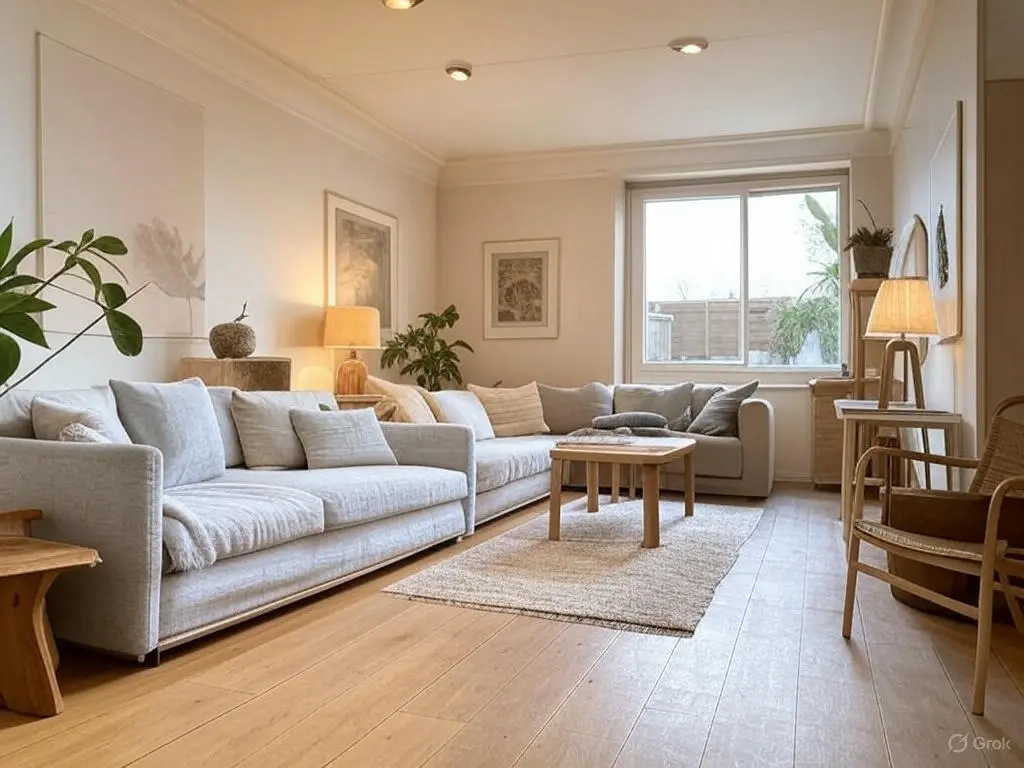
Interior design trends for 2025, minimalism revisited: Less is more, but with personality
Minimalism is reinventing itself in 2025 to make way for a warmer, more welcoming, and personalized version. This renewed approach abandons the coldness and excessive sobriety that characterized classic minimalism, opting for a more intimate and emotional aesthetic.
Renewed minimalism maintains the premise of "less is more," but without sacrificing decorative elements that add character, identity, and a touch of warmth to the home.
It is about finding the balance between simplicity and personal expression, creating functional and serene environments, but with soul.
Below, I detail how to apply this style in your home to achieve minimalist spaces with personality.
Neutral but warm colors: The key change in renewed minimalism
While traditional minimalism focused on cool palettes dominated by pure white and gray, renewed minimalism introduces neutral tones, but with warmer and more enveloping shades.
Recommended color palette:
- Beige, sand, and earth tones: These provide a warm and welcoming base.
- Soft grays and off-whites: These provide spaciousness and brightness without feeling cold.
- Brown and ochre tones: Ideal for wooden furniture that adds warmth.
- Details in green or teal tones: Perfect for adding freshness without breaking the harmony.
Practical tip: Use neutral colors on large surfaces (walls, floors, and ceilings) and add touches of color in textiles, art, or small decorative elements.
Natural materials and organic textures: The key to comfort
Renewed minimalism focuses on materials that evoke nature, creating warmer and more sensory environments.
Trending materials for renewed minimalism:
- Untreated natural wood: Perfect for floors, tables, and shelves.
- Light-colored stone and marble: Adds sophistication to bathrooms and kitchens.
- Organic textiles such as linen, wool, or cotton: Provide warmth and softness.
- Natural fibers such as wicker, rattan, or jute: Ideal for rugs, baskets, or lamps.
Design tip: Mix soft textures (such as wool blankets or linen cushions) with more solid elements (such as wooden tables or stone plant pots) to achieve the perfect balance between comfort and sobriety.
Functional furniture with clean lines: Simple design, but with intention
Furniture in renewed minimalism remains simple and functional, but more organic shapes and materials that add warmth are added.
Key features of renewed minimalist furniture:
- Soft lines and curves: These replace the overly rigid right angles of traditional minimalism.
- Multifunctional furniture: Perfect for optimizing space without cluttering the environment.
- Handcrafted or customized pieces: Each element has a decorative and practical purpose.
Key idea: Instead of filling the room with furniture, select a few pieces with character and unique design.
Selected decorative elements: Few, but meaningful
In renewed minimalism, decorative elements are discreet, but each has significant aesthetic or emotional value.
How to decorate according to renewed minimalism:
- Choose objects with organic shapes (curved vases, handmade ceramics, or stone sculptures).
- Incorporate black-and-white photographs or minimalist illustrations on uncluttered walls.
- Use books, candles, or small pieces of art to personalize spaces without overcrowding them.
- Place one or two indoor plants to add freshness and color in a subtle way.
Key tip: The rule of renewed minimalism is "fewer objects, but with more intention." Each piece should have a clear purpose, whether functional or decorative.
Uncluttered and organized spaces: Visual balance takes center stage
Order is an essential pillar of renewed minimalism. Keeping surfaces free of unnecessary items contributes to a feeling of calm and spaciousness.
Keys to maintaining order in a renewed minimalist home:
- Use furniture with hidden storage to store everyday objects.
- Opt for shelves with a few well-chosen items, rather than overloading them.
- Keep countertops clear, using only essential items.
- Avoid accumulating cables, small objects, or decorative items without a clear function.
Additional tip: Implement the "one for one" rule: every time you add a new decorative item, remove an old one to maintain balance.
Soft, warm lighting: The finishing touch for a cozy home
Lighting is a key element in renewed minimalism. Warm, well-distributed lighting creates a cozy atmosphere that breaks with the coldness of classic minimalism.
Ideas for lighting renovated minimalist spaces:
- Floor or table lamps with warm light: They provide an enveloping and relaxing atmosphere.
- LED strips on shelves or furniture: They add a modern touch without invading the space.
- Pendant lamps with natural fiber shades: They add texture and warmth.
Design tip: Avoid overly cold white lights; opt for warm or neutral tones that promote a sense of well-being.
The personal touch: Express your style without going overboard
Unlike classic minimalism, renewed minimalism allows you to integrate elements that reflect the personality of the home's inhabitants.
How to add personality without breaking the minimalist aesthetic:
- Incorporate heirlooms or vintage pieces that add history.
- Add travel souvenirs or personal photographs in simple frames.
- Use textiles such as blankets, rugs, or cushions with pleasant textures to add warmth.
- Introduce small pieces of art or ceramics that add character without overwhelming the space.
Extra tip: A good approach is to have a single standout element in each room that draws attention, such as a large painting, an eye-catching lamp, or an iconic piece of furniture.
Renewed minimalism in specific spaces
Living room:
- Sofas with simple lines in neutral tones.
- Open shelves with a few well-chosen objects.
- A large plant to add a fresh touch without disrupting the harmony.
Bedroom:
- Linen or cotton bedding in light colors.
- Minimalist and functional bedside tables.
- Warm lighting with wooden or ceramic table lamps.
Kitchen:
- Cabinets with smooth fronts in neutral tones.
- Uncluttered countertops with only the essentials in sight.
- Wood or stone elements to add texture.

Design trends, furniture: Modular, handcrafted, and customized pieces
Furniture in 2025 will focus on versatility. Modular furniture will be key, as it allows you to configure the space according to your needs at any given time.
In addition, handcrafted pieces will gain prominence due to their authenticity and originality. Customized, made-to-measure furniture will allow each person to express their style in every corner of their home.
The result will be unique, functional spaces that clearly express the personality of their inhabitants.
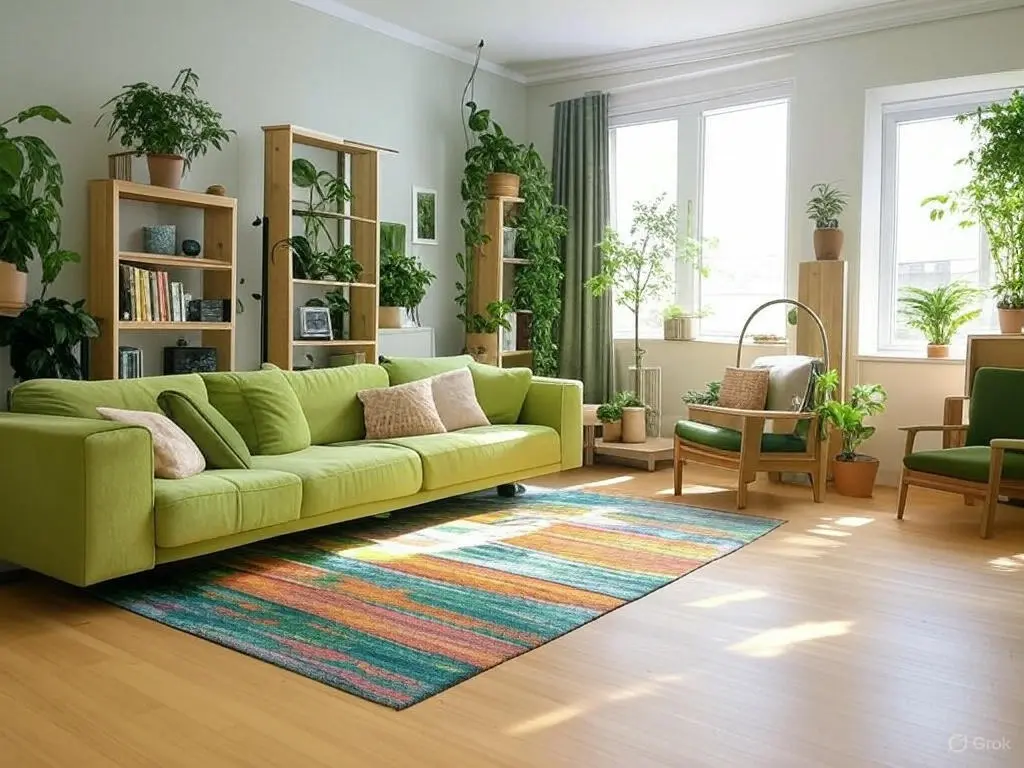
Design trends and sustainability: How to achieve an eco-friendly and efficient home
Commitment to the environment will be one of the top priorities in interior design by 2025. The use of recycled materials, second-hand furniture, and energy-efficient solutions will make all the difference.
LED light bulbs, efficient air conditioning systems, and low-energy appliances will become increasingly common in modern homes.
Likewise, the use of eco-friendly paints and varnishes free of toxic components will be promoted, which not only protect the planet but also improve air quality in the home.